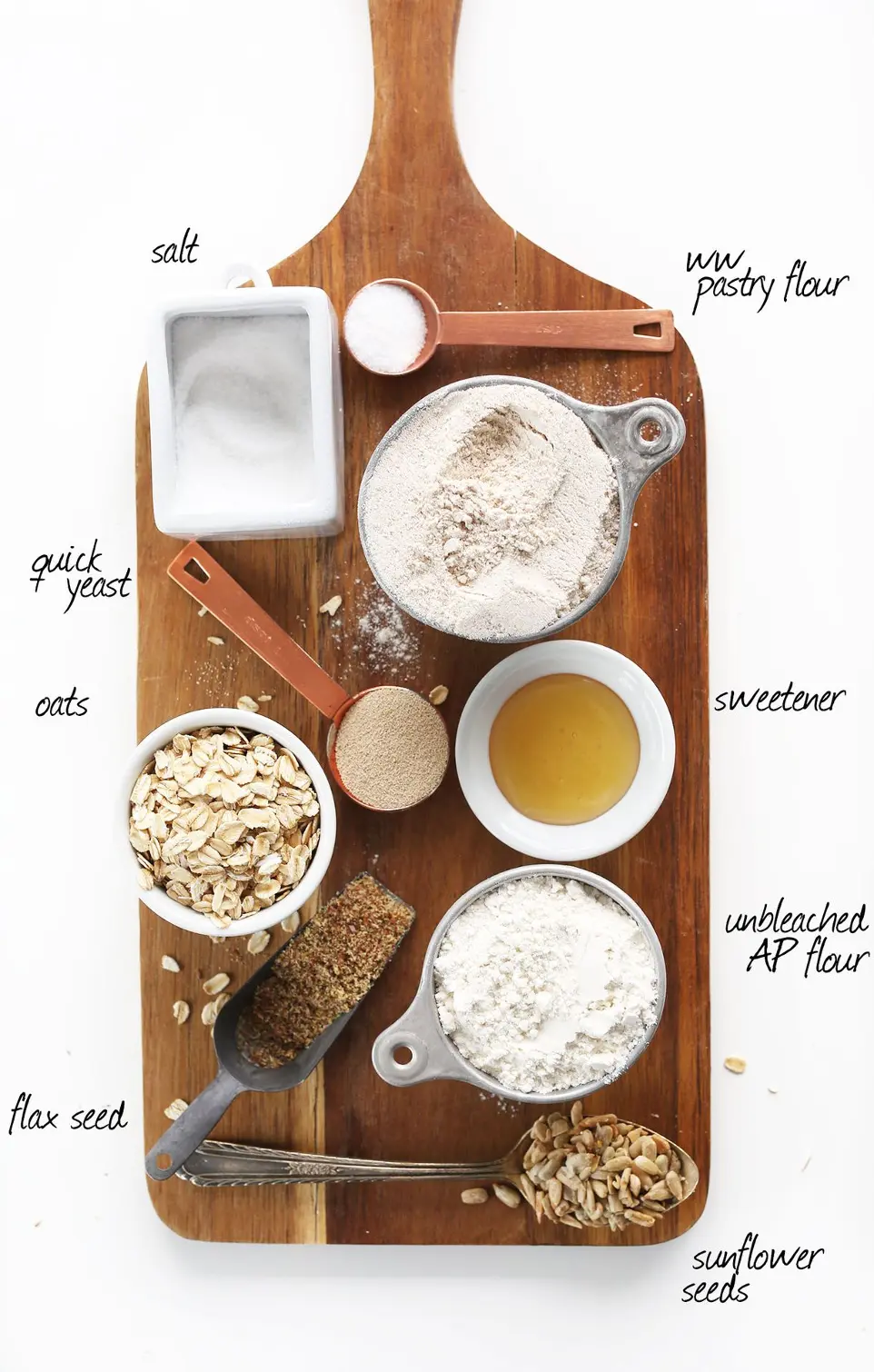
Turning a passion for baking into a thriving commercial bakery is a dream for many entrepreneurs. What begins with handcrafted loaves in a home kitchen can evolve into a full-scale production facility — but scaling up requires more than just bigger ovens. It demands planning, smart investment, and the right commercial bakery equipment to ensure consistency, efficiency, and profitability.
If you’re ready to transform your small baking operation into a professional bakery, here’s how to scale up wisely.
Why Bakers Decide to Scale Up
Home-based baking businesses often reach a tipping point where demand outgrows capacity. Common signs include:
- Orders exceeding daily production limits
- Inconsistent product quality due to manual processes
- Time constraints limiting business growth
- Difficulty meeting commercial supply contracts
Scaling up allows you to increase output, standardize quality, and unlock new revenue streams such as wholesale supply, retail storefronts, or distribution partnerships.
Step 1: Define Your Commercial Bakery Vision
Before investing in equipment or space, clarify your business direction:
- Will you specialize in artisan bread, pastries, or packaged baked goods?
- Are you targeting retail customers, cafes, or supermarkets?
- What daily production capacity do you need?
A clear production goal helps you choose the right bakery machinery and facility layout from the start — avoiding costly upgrades later.
Step 2: Upgrade from Manual to Semi-Automatic Processes
One of the biggest transitions from home baking to commercial production is automation. Manual preparation methods may deliver charm, but they limit scalability.
Key upgrades include:
Dough Preparation
Commercial planetary mixers ensure uniform mixing, reduce labor effort, and support larger batch sizes.
Dough Processing
Equipment like dough dividers and sheeters improve portion accuracy and speed — essential for consistent product quality.
Baking Systems
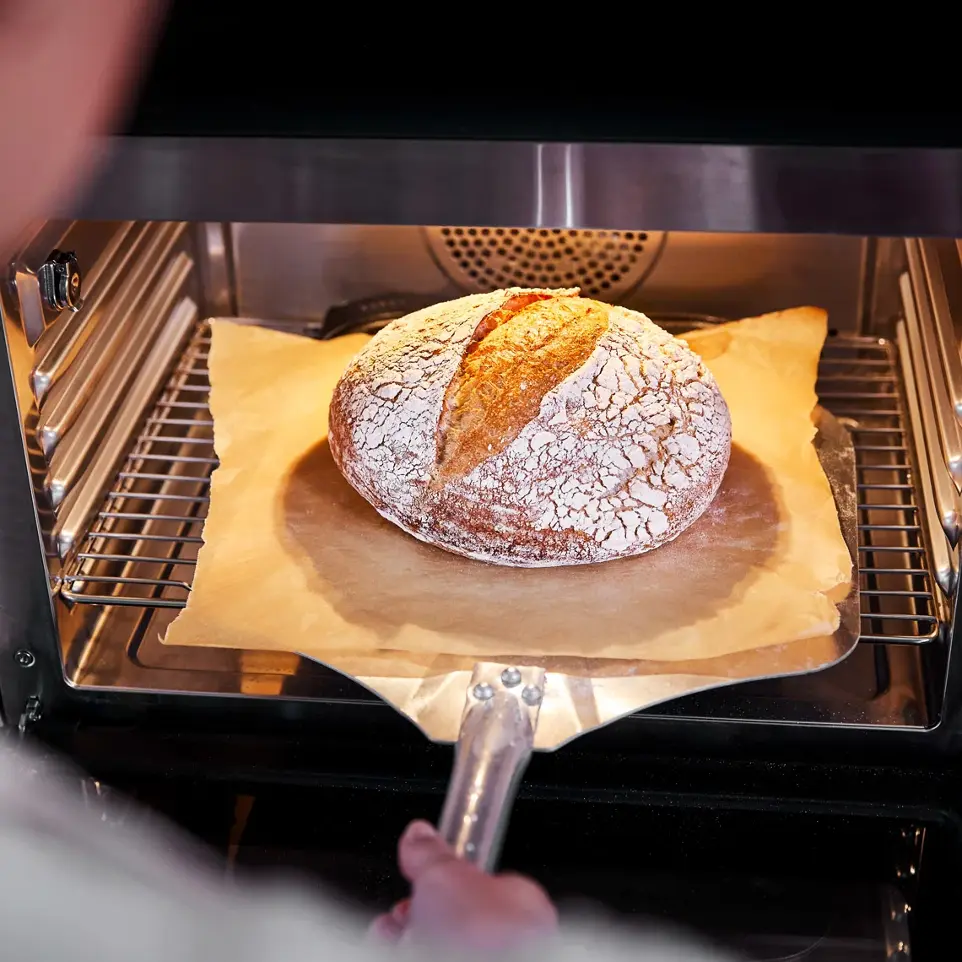
Commercial ovens such as rotary rack ovens provide even heat distribution, higher capacity, and reliable results across batches.
Automation doesn’t remove craftsmanship — it protects it by ensuring repeatable quality.
Step 3: Design an Efficient Production Workflow
A professional bakery isn’t just about equipment — it’s about process flow.
An optimized bakery layout should follow this sequence:
Ingredient storage → Mixing → Dough processing → Proofing → Baking → Cooling → Packaging
Proper workflow design reduces cross-contamination, improves safety, and maximizes productivity per square foot.
Step 4: Invest in Scalable Bakery Equipment
When scaling up, avoid equipment that only meets current demand. Choose systems that support growth for the next 3–5 years.
Look for:
- Energy-efficient machinery
- Modular equipment that can expand production
- Easy cleaning and maintenance features
- Consistent performance under high-volume operation
Smart equipment investment reduces long-term operational costs and minimizes downtime.
Step 5: Focus on Quality Control and Standardization
In home baking, adjustments are intuitive. In commercial production, consistency is everything.
Implement:
- Standardized recipes with measured ingredients
- Temperature and humidity controls
- Batch tracking and documentation
- Staff training for uniform procedures
Consistency builds brand trust — and trust builds repeat customers.
Step 6: Understand Compliance and Food Safety Regulations
Commercial bakeries must comply with health, hygiene, and safety standards. Requirements vary by region but typically include:
- Food-grade equipment and surfaces
- Proper ventilation systems
- Waste management protocols
- Worker safety guidelines
Early compliance planning prevents costly redesigns and licensing delays.
Step 7: Plan Financially for Sustainable Growth
Scaling a bakery is both an operational and financial decision.
Budget for:
- Equipment investment
- Facility setup
- Utilities and maintenance
- Staffing and training
- Marketing and distribution
A phased expansion strategy helps manage cash flow while steadily increasing capacity.
The Smart Way to Grow Your Bakery Business
Scaling from a home kitchen to a commercial bakery is an exciting milestone — but success depends on thoughtful planning and the right infrastructure. By investing in professional equipment, designing efficient workflows, and prioritizing consistency, bakers can transform passion into a sustainable and profitable enterprise.
Growth isn’t just about producing more — it’s about producing better, faster, and smarter.
Final Thoughts
The journey from small-batch baking to commercial production is a powerful step toward long-term business success. With the right strategy and equipment, your bakery can meet rising demand while maintaining the craftsmanship customers love.
If you’re planning to scale your baking operations, choosing reliable industrial bakery solutions is the foundation of sustainable growth.