How Heat Distribution Impacts Baking Quality
In the world of commercial baking, consistent heat distribution plays a critical role in determining the quality, texture, and appearance of baked products. Whether it’s bread, cakes, biscuits, or pastries, the way heat circulates inside an oven directly affects the final outcome. Understanding this process can help bakeries achieve uniform results, improve efficiency, and reduce product waste.
The Science Behind Baking Heat
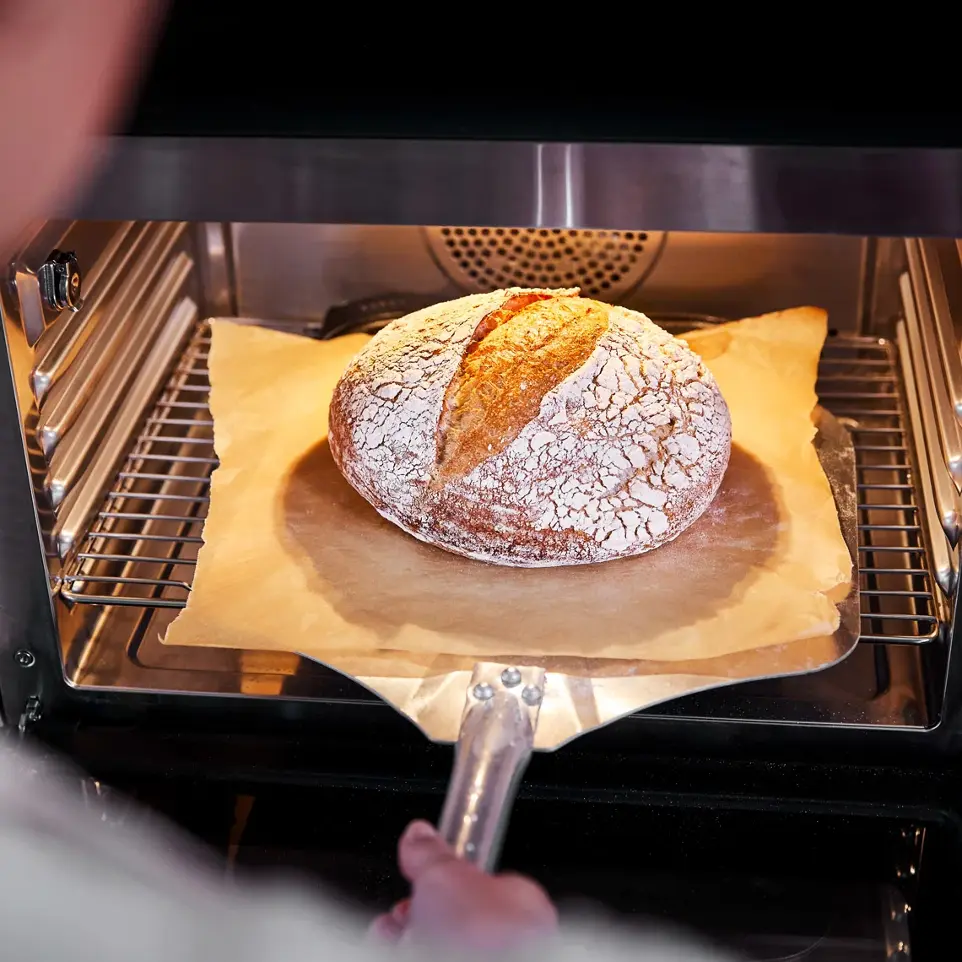
Baking is essentially a controlled heat transfer process. When dough or batter is placed inside an oven, heat begins to travel through the product by conduction, convection, and radiation. Proper heat circulation ensures that every portion of the product receives the right amount of heat at the right time.
When heat is distributed evenly:
- Bread rises uniformly
- Crust develops evenly
- Texture becomes soft and consistent
- Moisture remains balanced
However, uneven heat distribution can lead to common baking issues such as burnt edges, undercooked centers, or inconsistent color.
Why Even Heat Distribution Matters
In commercial bakeries and food production units, consistency is key. Customers expect the same quality in every batch. Uniform heat flow helps achieve predictable results and reduces the risk of product defects.
Some major benefits include:
1. Consistent Product Quality
Even heating ensures that every tray or rack receives the same temperature, producing identical products in each batch.
2. Better Texture and Structure
Balanced heat allows the dough structure to expand properly, creating the ideal crumb and softness.
3. Improved Baking Efficiency
Proper heat circulation shortens baking time and improves energy efficiency.
4. Reduced Product Loss
Uneven baking often leads to wasted products. Consistent heat reduces rejection rates and improves profitability.
Role of Modern Baking Technology
Advanced bakery equipment is designed to optimize airflow and temperature control. Features like rotating racks, controlled air circulation, and precise temperature systems help distribute heat evenly throughout the baking chamber.
For example, rotary rack ovens are engineered to ensure that every tray rotates through the same heat zones, creating perfectly baked products across the entire batch.
Key Factors That Influence Heat Distribution
Several factors contribute to proper heat distribution inside an oven:
- Air circulation system
- Oven design and insulation
- Rack or tray positioning
- Temperature control mechanisms
- Load capacity and spacing
When these elements work together effectively, they create an ideal baking environment that enhances both product quality and production efficiency.
Final Thoughts
Heat distribution is one of the most important yet often overlooked aspects of baking. For bakeries aiming to deliver high-quality products consistently, investing in equipment and processes that ensure uniform heat flow can make a significant difference.
By understanding how heat moves inside the oven and optimizing baking conditions, businesses can achieve perfect texture, appealing color, and consistent taste in every batch.