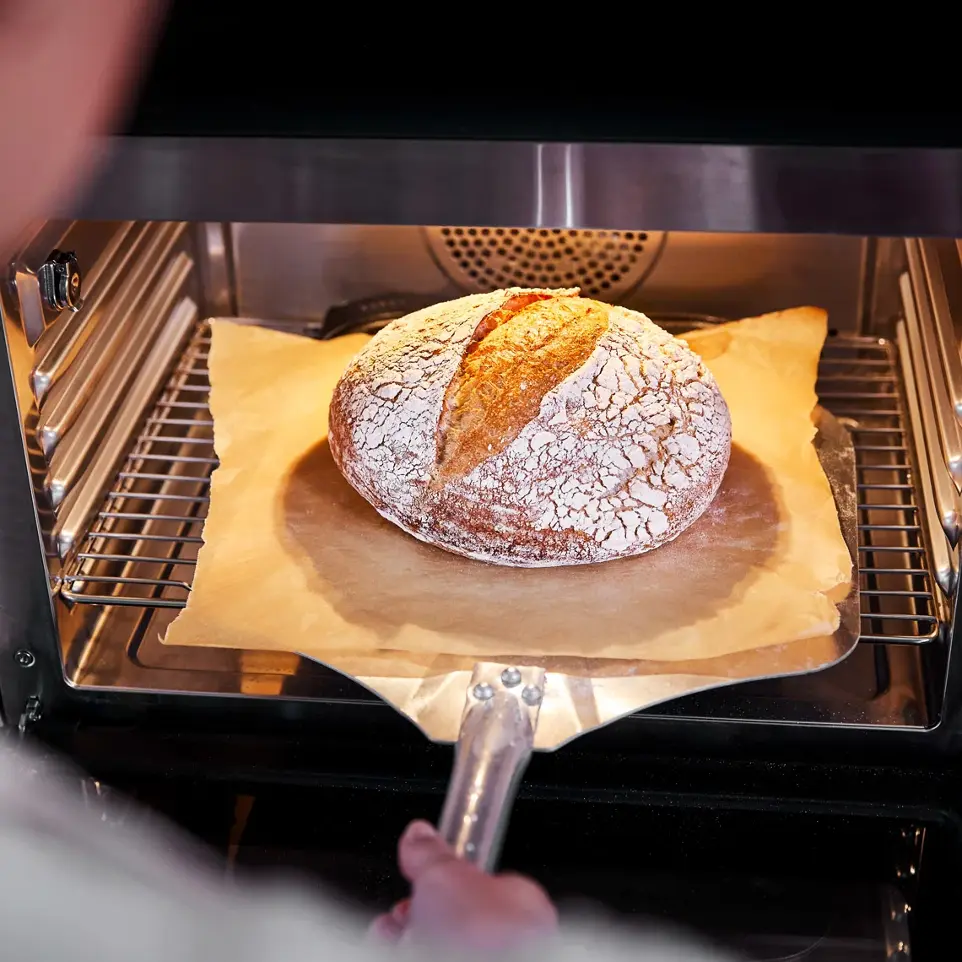
Perfect baking starts with precise temperature control. Even a small variation of 10–15°F can affect texture, rise, crust color, and overall product quality. Whether you operate a commercial bakery, café, or home-based baking business, understanding how to calibrate your bakery oven ensures consistent, professional results every time.
Why Oven Calibration Is Important
A bakery oven that runs too hot can burn crusts and dry out products. An oven that runs too cool can cause underbaked centers and poor structure. Over time, thermostats naturally drift, especially in high-volume commercial environments. Regular oven calibration helps you maintain:
• Consistent baking results
• Even browning and texture
• Reduced product waste
• Improved energy efficiency
• Better customer satisfaction
In professional baking, accuracy equals profitability.
Signs Your Bakery Oven Needs Calibration
You may need to calibrate your oven if you notice:
• Products baking faster or slower than expected
• Uneven browning on trays
• Burnt bottoms and pale tops
• Recipes failing despite correct measurements
• Frequent temperature adjustments during baking
These issues often point to inaccurate temperature readings rather than recipe problems.
Tools Required for Oven Calibration
Before you begin, gather:
• A high-quality oven thermometer (two for better accuracy)
• An infrared thermometer (optional)
• Heat-resistant gloves
• Manufacturer’s manual
• Notepad to record temperature differences
Using reliable tools ensures accurate measurement and safe handling.
Step-by-Step: How to Calibrate Your Bakery Oven
1. Preheat the Oven
Set your oven to 350°F (175°C), a standard testing temperature. Allow it to preheat for at least 20–30 minutes to stabilize fully.
2. Place the Thermometer
Place the oven thermometer in the center of the oven. For larger commercial ovens, test multiple zones to check for hot spots.
3. Record the Temperature
After 10–15 minutes, compare the thermometer reading with the oven’s display.
Example:
If the oven is set to 350°F but reads 335°F, it is running 15°F cooler than indicated.
4. Adjust the Calibration
• Digital Ovens: Access the calibration or offset setting in the control panel. Adjust the temperature difference accordingly.
• Manual Dial Ovens: Remove the temperature knob (if applicable) and adjust the calibration screw behind it as per the manufacturer’s instructions.
5. Retest the Temperature
Repeat the testing process to confirm accuracy. An acceptable range is usually within ±5°F.
Calibration Tips for Different Oven Types
Convection Ovens: Ensure fans are functioning properly. Poor airflow can create uneven heating.
Deck Ovens: Test top and bottom heating elements separately for balanced crust development.
Rotary Rack Ovens: Confirm smooth rotation and consistent airflow distribution.
How Often Should You Calibrate?
• High-production bakeries: Monthly
• Medium-volume bakeries: Every 3 months
• Home bakers: Every 6 months
Always recalibrate after repairs, moving equipment, or replacing heating components.
Additional Tips for Perfect Baking
• Always allow proper preheating time
• Avoid opening the oven door frequently
• Keep the oven interior clean
• Rotate trays only when necessary
• Use consistent baking pans
Precision in temperature leads to precision in baking.
Final Thoughts
Learning how to calibrate your bakery oven for perfect results every time is essential for maintaining quality, reducing waste, and protecting your bakery’s reputation. Regular oven calibration ensures that every cake rises evenly, every loaf develops the perfect crust, and every pastry meets professional standards.
Make calibration a routine part of your bakery maintenance schedule—and enjoy flawless baking results every single time.