When customers bite into a perfectly baked loaf of bread or a delicate pastry, they rarely think about what happens behind the scenes. The aroma, texture, and taste steal the spotlight—but hidden beneath every successful bakery product is a complex, often untold story: food safety.
In bakery manufacturing units, food safety isn’t just a regulatory checkbox. It’s a silent guardian of brand reputation, customer trust, and long-term business success.
Why Food Safety in Bakeries Deserves More Attention
Bakery products may seem low-risk compared to meat or dairy, but the reality is very different. Contamination risks in bakery manufacturing can arise from:
- Improper handling of raw ingredients
- Cross-contamination between allergen and non-allergen products
- Poor equipment hygiene
- Inadequate temperature control
- Human error during manual processes
One unnoticed lapse can lead to recalls, financial losses, and irreversible damage to brand credibility.
The Hidden Risks Inside Bakery Manufacturing Units
1. Ingredient Handling: Where Safety Begins
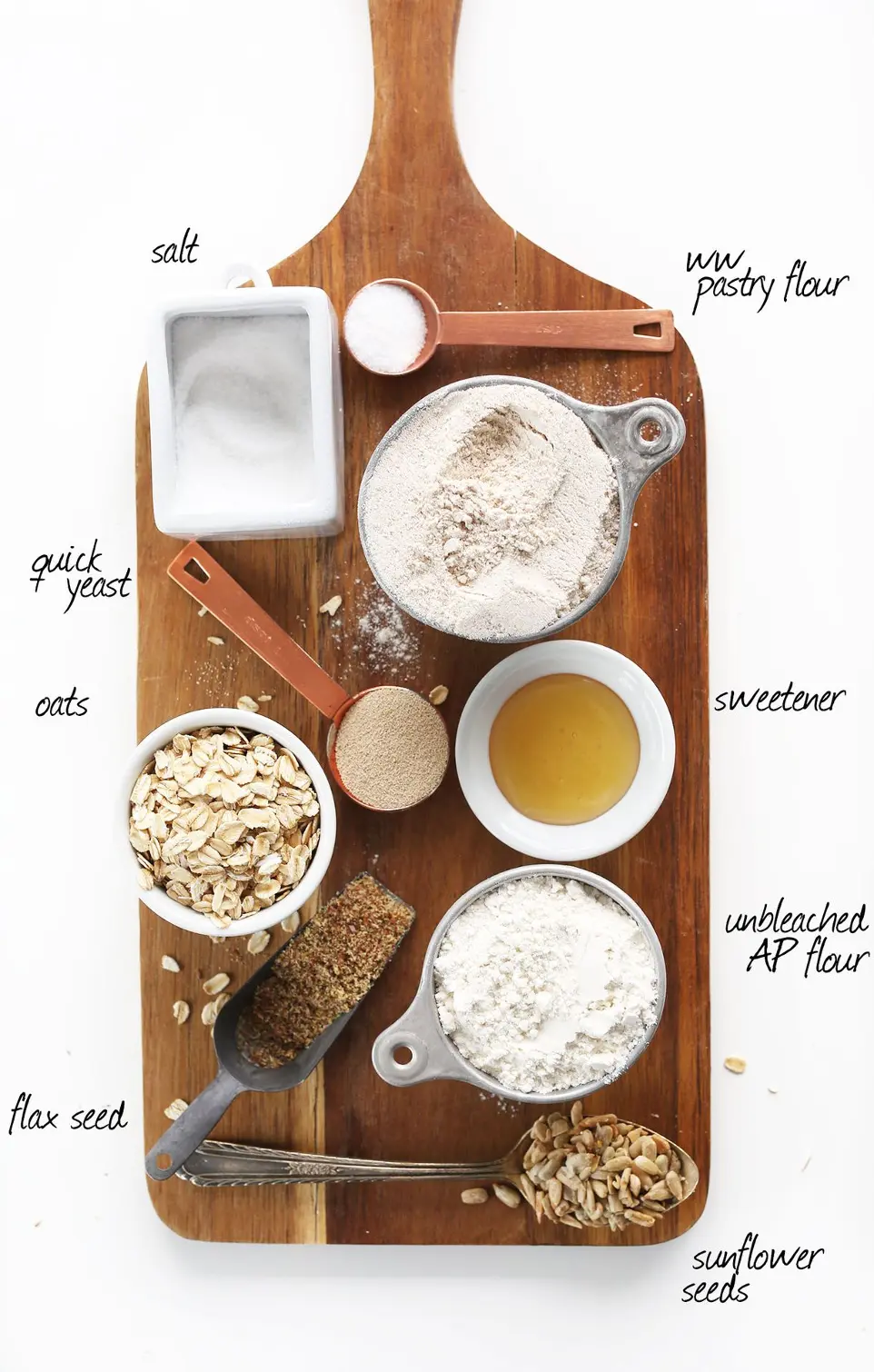
Flour, yeast, fats, fillings, and toppings pass through multiple touchpoints before becoming a finished product. Improper storage conditions can lead to:
- Pest infestation
- Moisture buildup
- Microbial growth
Strict supplier audits and ingredient traceability are essential to maintain consistent food safety standards.
2. Equipment Hygiene: The Silent Threat
Mixers, conveyors, ovens, and encrusting machines operate continuously. Without proper cleaning protocols:
- Dough residues can harbor bacteria
- Fillings may cause allergen cross-contact
- Hard-to-reach areas become contamination hotspots
Modern bakery units are increasingly adopting hygienic equipment design and CIP (Clean-in-Place) systems to minimize risk.
3. Human Factor: Training Makes the Difference
Even the most advanced bakery machinery depends on people. Poor hand hygiene, lack of awareness, or shortcuts during peak production hours can compromise safety.
Regular training programs focused on:
- GMP (Good Manufacturing Practices)
- Personal hygiene
- Allergen management
- Food safety culture
are no longer optional—they’re critical.
Automation: Redefining Food Safety in Modern Bakeries
One of the biggest untold shifts in bakery food safety is the role of automation.
How Automation Enhances Food Safety
- Reduced human contact with food products
- Consistent portioning and handling
- Controlled production environments
- Improved cleaning and maintenance routines
Automated bakery lines not only boost efficiency but significantly lower contamination risks, making them a key investment for safety-focused manufacturers.
Compliance Isn’t Enough: Going Beyond Regulations
While standards like FSSAI, ISO 22000, HACCP, and BRC provide strong frameworks, leading bakery manufacturers know compliance alone isn’t enough.
True food safety leadership involves:
- Proactive risk assessment
- Preventive maintenance of equipment
- Digital monitoring of critical control points
- Continuous improvement mindset
Food safety must be embedded into daily operations—not treated as an annual audit exercise.
The Cost of Ignoring Food Safety
The consequences of poor food safety practices in bakery manufacturing units can be severe:
- Product recalls
- Legal penalties
- Loss of key customers
- Damage to brand reputation
- Decline in market trust
In today’s connected world, one incident can spread across social media faster than any marketing campaign.
The Future of Food Safety in Bakery Manufacturing
The untold story is now being rewritten. Forward-thinking bakeries are embracing:
- Smart sensors for real-time monitoring
- Predictive maintenance to prevent contamination risks
- Data-driven quality control systems
- Hygienic, modular bakery machinery
Food safety is no longer just about protection—it’s becoming a competitive advantage.
Conclusion: Food Safety Is the Heart of Every Bakery Brand
Behind every safe, delicious bakery product is a system built on discipline, technology, and responsibility. Food safety in bakery manufacturing units is not just about avoiding risk—it’s about delivering trust with every bite.
The next time a customer enjoys your product, remember:
they may not see your food safety efforts—but they feel the impact.