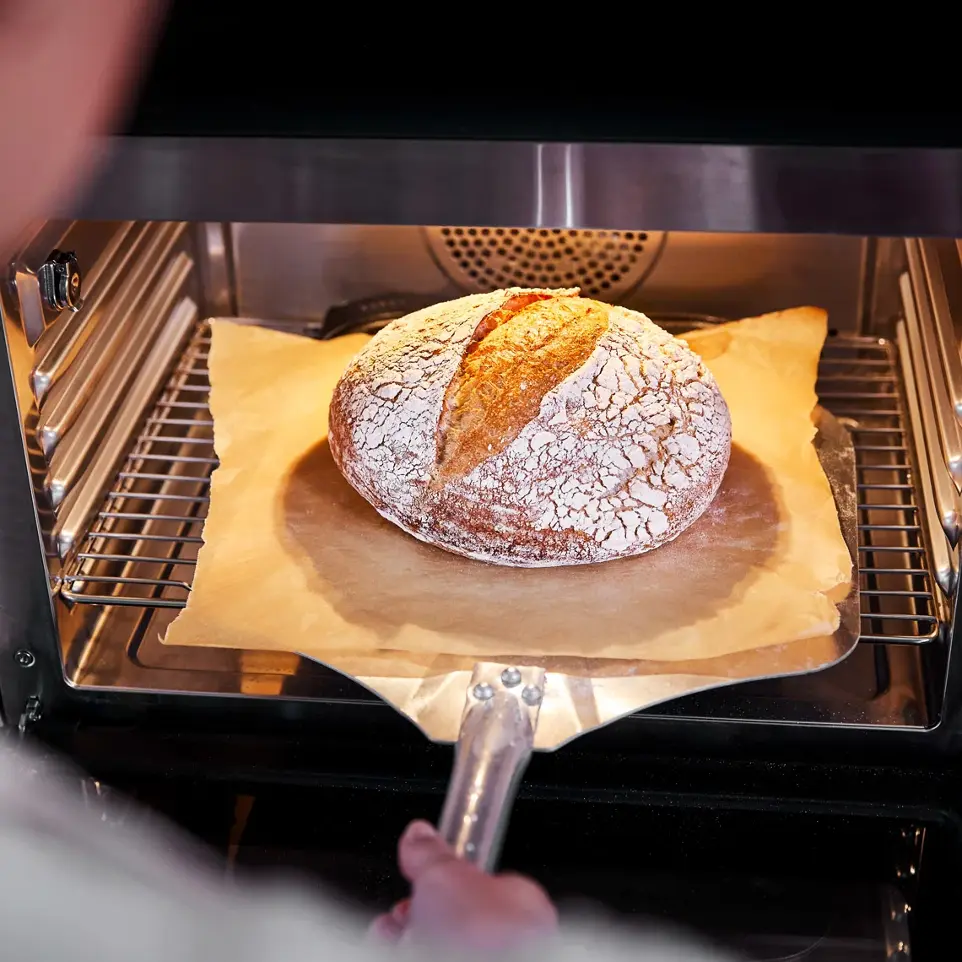
Understanding Bake Times and Temperature Control: The Key to Perfect Baking
In the world of baking, precision is everything. From golden-brown breads to perfectly risen cakes, achieving consistent results depends heavily on bake times and temperature control. Whether you're running a commercial bakery or baking at home, mastering these two elements can significantly improve product quality, efficiency, and customer satisfaction.
Why Bake Time and Temperature Matter
Every baked product requires a specific balance of time and heat. Too much heat can burn the outside while leaving the inside undercooked, while low temperatures can lead to uneven textures and poor structure. Proper control ensures:
- Even baking and consistent texture
- Ideal crust color and flavor development
- Reduced waste and improved efficiency
- Better product shelf life
The Science Behind Baking Temperature
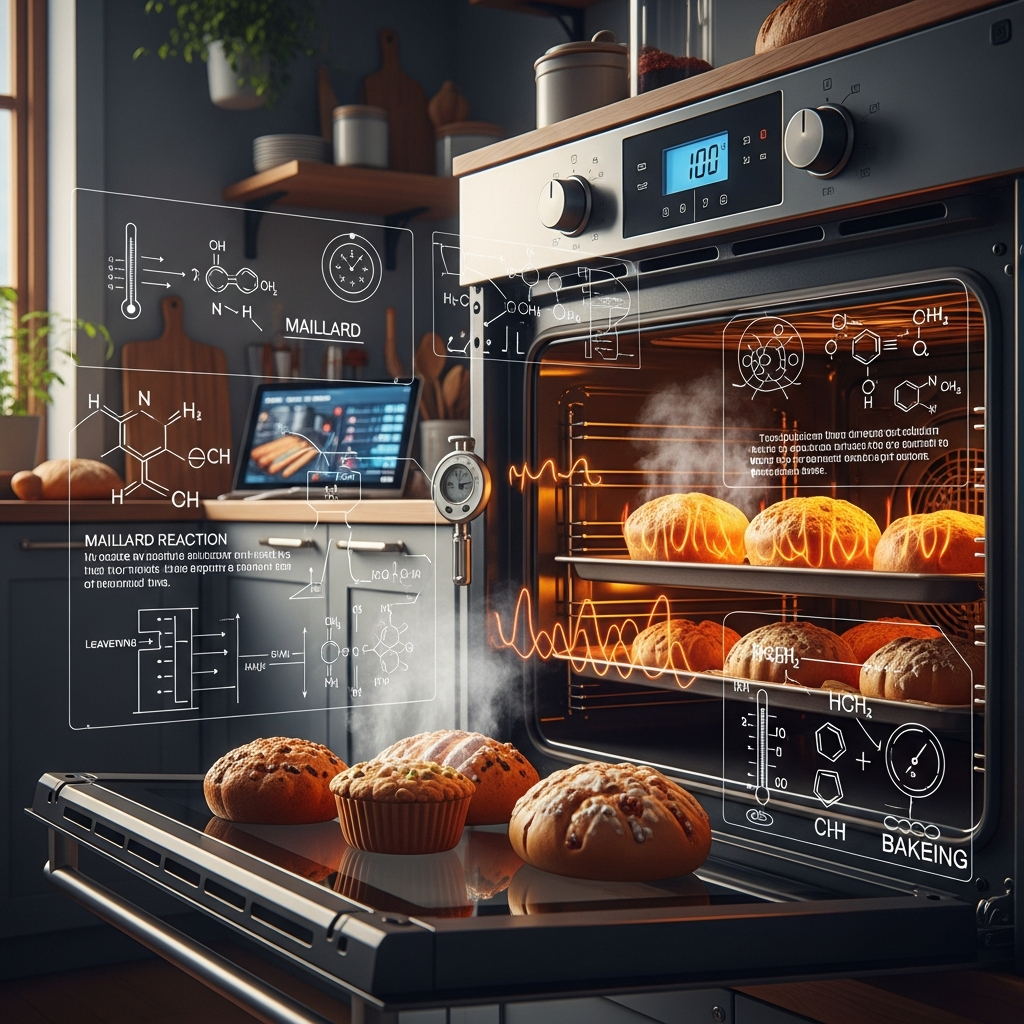
Temperature directly affects how ingredients react during baking:
- Yeast Activation: Warm temperatures help dough rise effectively
- Protein Setting: Heat stabilizes structure in cakes and breads
- Maillard Reaction: Creates the golden crust and rich flavor
- Moisture Evaporation: Ensures proper texture and consistency
Understanding these reactions helps bakers achieve perfect results every time.
How to Control Bake Time Effectively
1. Follow Standard Recipes
Start with tested recipes and adjust based on your equipment and environment.
2. Monitor Oven Performance
Not all ovens heat evenly. Regular calibration ensures accurate temperature settings.
3. Use Timers and Automation
Modern bakery equipment offers programmable controls for consistent results.
4. Adjust for Batch Size
Larger batches may require slightly longer baking times to ensure uniform cooking.
Tips for Better Temperature Control
- Preheat the Oven Properly: Ensures consistent baking from the start
- Avoid Frequent Door Opening: Prevents heat loss and uneven baking
- Use Thermometers: Verify internal oven temperature accuracy
- Maintain Equipment: Clean and service ovens regularly
Common Baking Mistakes to Avoid
- Overbaking or underbaking due to poor timing
- Incorrect temperature settings
- Ignoring oven hot spots
- Skipping preheating steps
Avoiding these mistakes can significantly enhance product consistency and quality.
Role of Modern Bakery Equipment
Advanced bakery ovens—such as deck ovens, rotary rack ovens, and convection ovens—offer precise temperature control and even heat distribution. These technologies help bakeries scale production while maintaining high standards.
Final Thoughts
Mastering bake times and temperature control is essential for delivering high-quality baked goods. With the right knowledge, proper equipment, and consistent monitoring, you can achieve perfect baking results every time while improving efficiency and reducing costs.